Used Line Array Speakers for Sale in Nigeria: B2B Buying Guide
Navigate the purchase of used line array speakers in Nigeria with our B2B guide. Learn what to check, what data is missing, and how to avoid pitfalls.
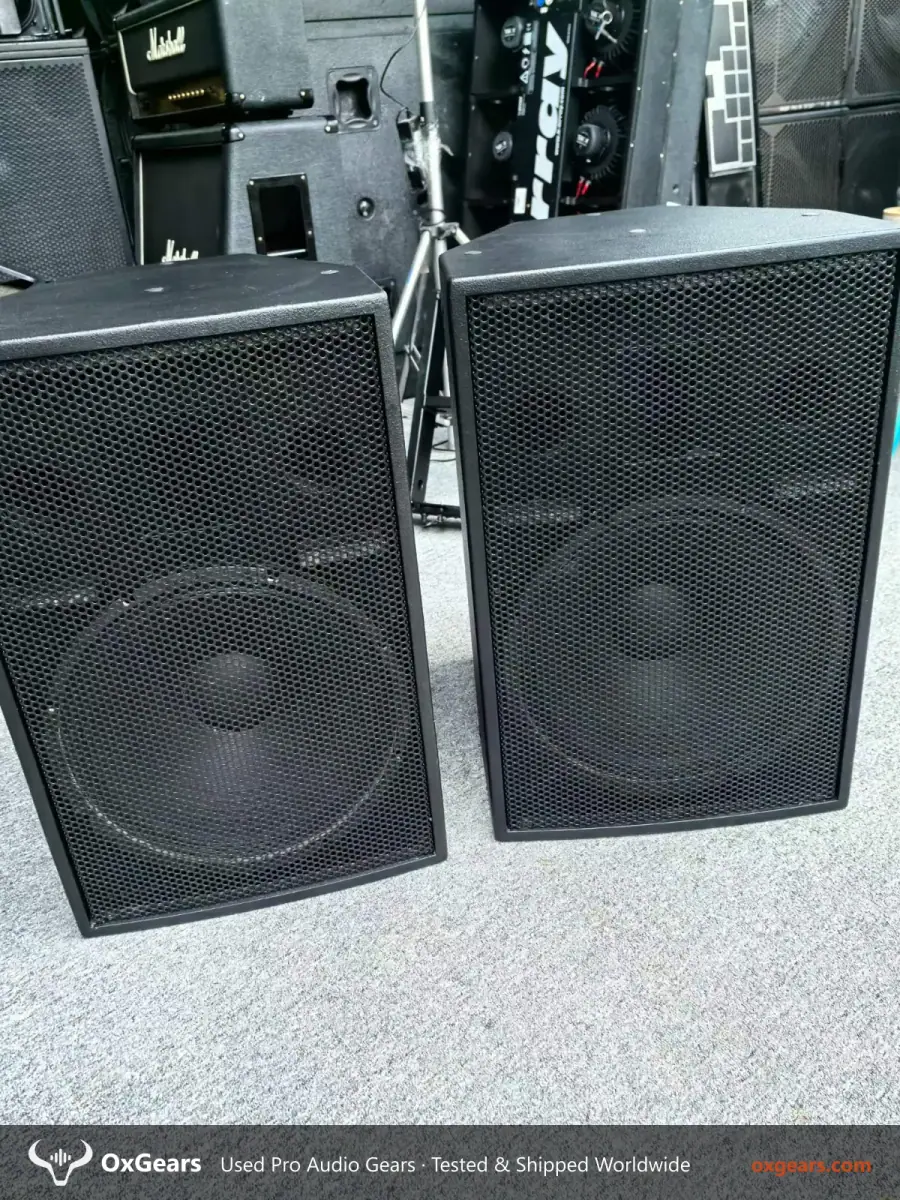
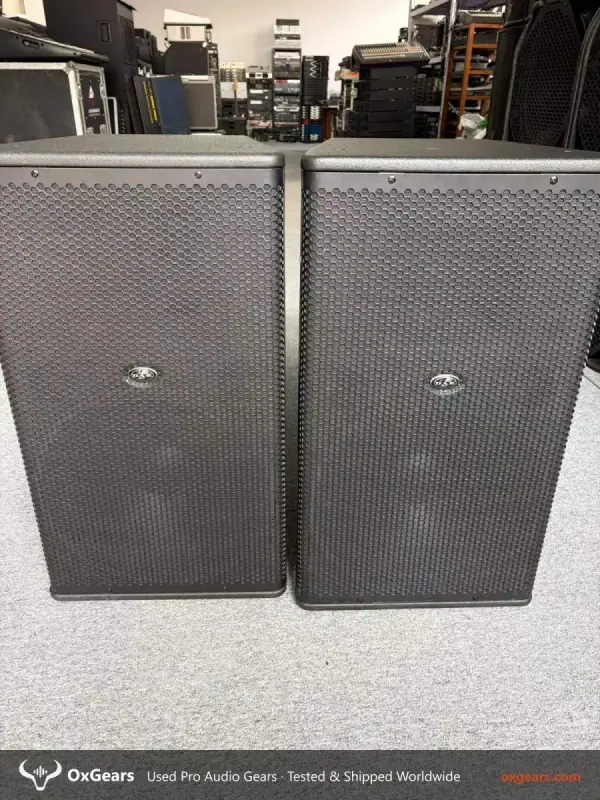
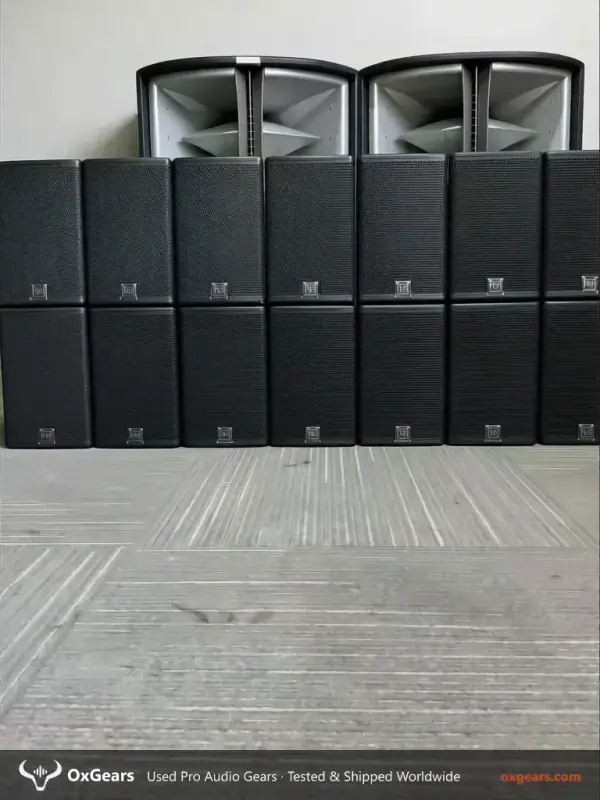
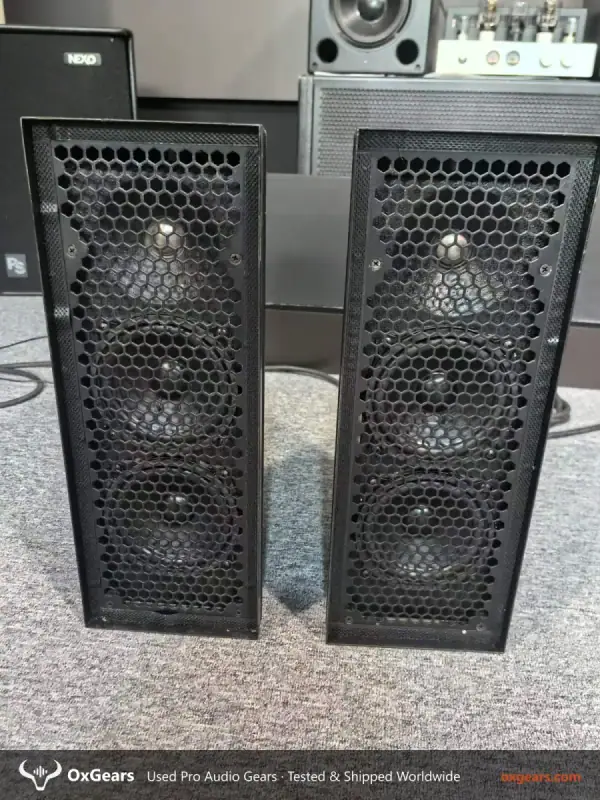
To source a used PA speaker system for event venues, focus on suppliers who provide documented condition grades, test reports, and clear photos of drivers and cabinets. Confirm the system's configuration (line array, point source, or mixed) matches your venue size and coverage needs, and verify that all components are included and functional before requesting a quote.
1. Always request the condition grade (A, B, or C) and a test report for each component in the system. 2. Verify that the speaker system's power handling and impedance match your amplifiers or powered outputs. 3. Check for completeness: cabinets, rigging, cables, and processors are often sold separately. 4. Ask for high-resolution photos of drivers, connectors, and cabinet exteriors to assess wear.
No listing data is available for this topic, so specific model numbers, prices, and technical specifications are Unknown / Not disclosed. This guide therefore focuses on the process of evaluating a used PA speaker system supplier rather than on any particular product. When you browse the used speakers category, you will see individual listings with their own condition notes, but the general principles below apply across the range.
For buyers seeking specific models, the JBL EON1500 listing and the Martin Audio A55 listing are examples of the type of information OxGears provides per unit. However, neither listing is representative of a complete system, and availability changes frequently.
A datasheet for a used speaker system will not disclose the actual condition of the drivers, the history of use, or whether the system has been reconed or repaired. These factors directly affect performance and longevity. For event venues, where reliability is critical, the absence of this information is a significant risk. Always ask for a test report that includes impedance sweeps, frequency response checks, and a visual inspection of the cones and diaphragms. If the supplier cannot provide this, treat the system as untested and price accordingly.
Another gap is the completeness of the system. A used PA speaker system may be sold as separate components, and critical items like rigging frames, link cables, or system processors might be missing or sold separately. The datasheet will not list what is included in the sale. Confirm the bill of materials explicitly.
This approach is not for buyers who need a plug-and-play system with a manufacturer warranty and guaranteed performance out of the box. If you cannot inspect the equipment or arrange for a third-party test, a used PA speaker system is a bad fit. Similarly, if your venue requires rider-friendly, current-model equipment for touring artists, older used systems may not meet technical requirements. Buyers with no technical staff to verify compatibility should also avoid used systems unless they purchase from a supplier that provides detailed test documentation and support.
Cost savings versus risk: used systems are typically cheaper, but the risk of hidden faults is higher. A system that appears complete may need driver reconing or amplifier repairs, which add to the total cost.
Standardization versus flexibility: buying a used system from a single brand can simplify operation and spares, but limits flexibility if you need to expand or mix with other gear. Conversely, a mixed-brand system may be cheaper but harder to support.
Condition grade versus price: Grade A units command higher prices but reduce inspection effort. Grade B or C units may be suitable for less critical applications but require more thorough testing.
Deployment constraints: used line arrays may have rigging hardware that is not compatible with your venue's fly points, or may require specific amplifiers with DSP presets. Verify these details before purchase.
Before committing to a purchase, request a detailed quote that includes the full bill of materials, condition grade, test report, and high-resolution photos. Use the contact page to ask OxGears for availability and a quote for a used PA speaker system configured for your venue. Specify your requirements: coverage area, SPL target, and whether you prefer powered or passive speakers. Also ask about the pro audio department's current stock and whether they can provide a system-level test report. For a broader view of available equipment, browse the full used equipment catalogue to see what else might complement your system.
OxGears grades used equipment as A, B, or C, as described in the article 'How used professional audio is graded A, B and C'. The grade reflects cosmetic and functional condition, but specific criteria are not disclosed in the materials.
Yes, you can ask OxGears for a test report when requesting a quote. The availability of test reports is not disclosed in the materials, so confirm per unit.
Inclusions vary by listing. The materials do not specify what accessories are included, so always confirm the bill of materials before purchase.
Warranty information is not disclosed in the materials. Ask OxGears directly for warranty terms on the specific unit. ## Sources
- OxGears speakers category: /pro-audio/speakers/ - JBL EON1500 listing: /products/jbl-eon1500/ - Martin Audio A55 listing: /products/martin-a55/ - OxGears full used equipment catalogue: /products/ - OxGears contact for availability and quote: /contact/ - OxGears pro audio department: /pro-audio/
Navigate the purchase of used line array speakers in Nigeria with our B2B guide. Learn what to check, what data is missing, and how to avoid pitfalls.
How overseas distributors and rental companies should evaluate used line array speakers for sale in South Africa: grading, driver checks, rigging history and export steps.
How rental companies and distributors should source used line array speakers wholesale: what to verify, what stays undisclosed, and when to walk away.