Used Line Array Speakers for Sale in Nigeria: B2B Buying Guide
Navigate the purchase of used line array speakers in Nigeria with our B2B guide. Learn what to check, what data is missing, and how to avoid pitfalls.
A used pro audio supplier is the right channel for an African distributor when the deal is built around verifiable condition, documented accessories and a spares plan rather than around a published specification sheet. The buyer's job is to convert an unknown-condition lot into a known one before payment, because the return path from most African markets is slow and expensive. This guide sets out the process, the gaps and the point at which a second-hand purchase stops making sense.
Buy from a used supplier only after you have agreed, in writing, what is inspected, what is photographed, what accessories ship with each unit and who absorbs the cost when a unit arrives dead. Because no listing data exists for this topic, treat every model-level figure as Unknown / Not disclosed and negotiate on process instead of on numbers. Start from the full used equipment catalogue to see which product families are in scope, then run the checks below before any deposit.
1. Second-hand supply works for African distributors when condition evidence and accessory completeness are agreed before payment, not after arrival. 2. Ask for unit-level photographs, accessory lists and any test documentation the seller actually holds; where none exists, record it as Not disclosed rather than assuming. 3. Budget for spares and service locally, because a used cabinet or amplifier without a parts path becomes dead stock in a market with a long return route. 4. Use the used equipment brand and model rankings to judge which families hold resale value in your territory before committing to a mixed container.
For this topic there is no listing data. That is not a small caveat, it is the central fact of the purchase. There are no model numbers, no serial numbers, no prices, no warranty periods, no lead times and no MOQ that can be quoted with confidence, so any figure you see in a draft offer should be treated as Unknown / Not disclosed until the supplier confirms it in writing against a specific unit.
What a supplier can legitimately tell you without inventing anything is structural: which product families are handled, whether units are sold as single pieces or as matched systems, whether accessories such as covers, flight cases, racks and cabling travel with the goods, and whether the supplier holds any documentation at all. Those answers are process facts, not specifications, and they are the ones that decide whether a container is worth loading.
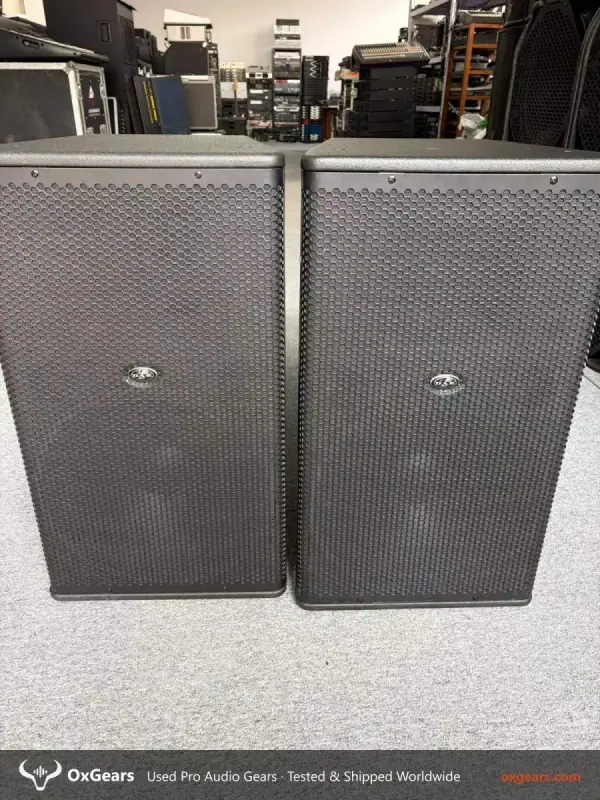
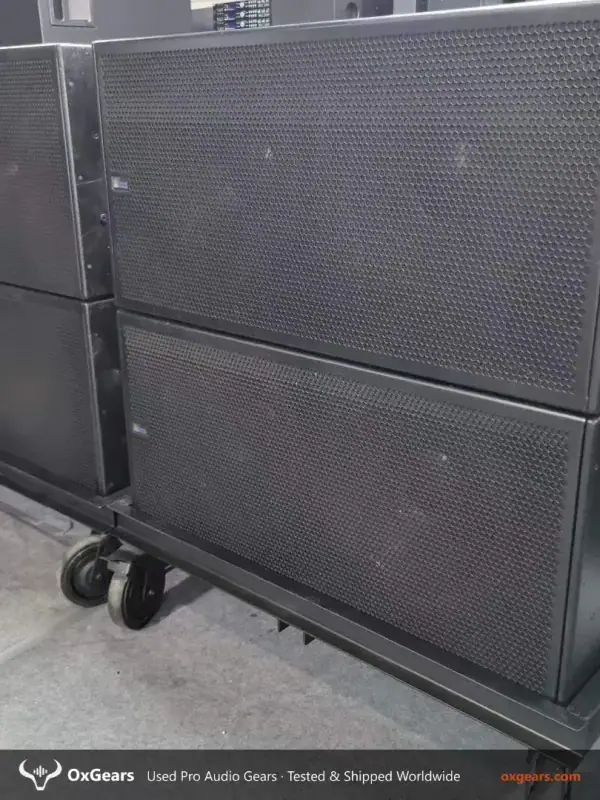
For an African distributor the practical consequence is that the offer has to be built backwards from the deployment. If you are supplying a rental company that runs line array and subwoofer systems, matched cabinets and consistent hardware matter more than a low unit price. If you are supplying a house of worship or a venue with a fixed install, a full-range speaker and amplifier set with a known accessory list is more useful than a mixed lot. If you are supplying DJ retail, controllers, CDJ units and turntables need cosmetic and functional description at the unit level. None of that requires a fabricated number; it requires the supplier to describe what is physically in the lot.
The datasheet, when one exists at all, describes the product as it left the factory. It does not describe the unit you are buying. Three things sit outside it and each one changes the deal.
First, history. A used amplifier or console has a service life behind it that no specification sheet records. Whether a unit has been rack-mounted in a fixed install or toured in cases changes what you should expect, and the supplier may or may not know. If the history is not stated, it is Unknown / Not disclosed, and you should price that uncertainty into your landed cost rather than ignore it.
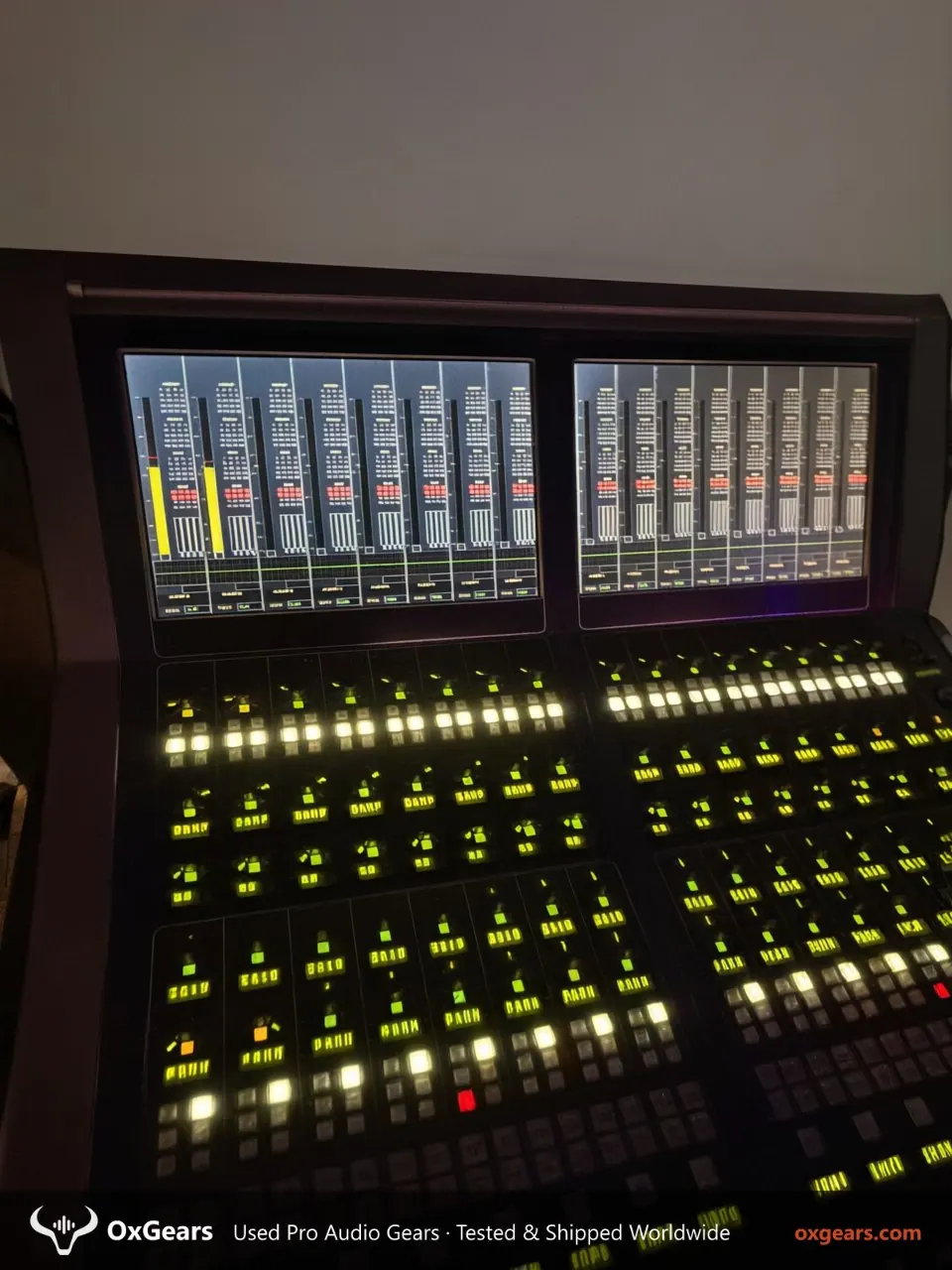
Second, completeness. Consoles ship with power supplies, racks and expansion cards; line array elements ship with rigging hardware; DJ equipment ships with cables and sometimes with software licences that do not transfer. A missing rigging frame or rack can cost more to replace than the discount on the cabinet. Ask for an accessory list per unit and treat anything unlisted as absent.
Third, the grade. Condition grading is a shorthand, and the criteria behind a given grade are Not disclosed unless the supplier publishes them. Two units both described as working can differ enormously in cosmetics, in driver condition and in whether the pots, faders and connectors have been exercised. The grade is a starting filter, not a substitute for a unit-level description.
Do not choose a second-hand channel if you are a distributor whose customers require a manufacturer warranty, a documented service history or a fixed specification they can tender against. Public-sector and large venue tenders in many markets ask for paperwork that a used lot cannot supply, and no amount of inspection closes that gap.
Do not choose it if your business model depends on fast single-unit replacement. A used supplier's stock is what it is; if a client needs an identical replacement amplifier or console within days, a second-hand channel with undisclosed lead times is a bad fit. Lead times here are Unknown / Not disclosed, and planning around an unknown is how installs slip.
Do not choose it if you cannot inspect or arrange third-party inspection before shipment. Buying blind across an ocean, with no agreed remedy for a dead-on-arrival unit, converts a price advantage into a write-off. And do not choose it if your territory has no realistic service capability for the brands you are considering, because a used unit that fails with no local technician is scrap with a shipping invoice attached.
Price against evidence. A supplier who can show unit-level photographs, accessory lists and any test documentation is worth more than one who cannot, even at a higher unit cost. The cheaper offer is only cheaper if the goods arrive usable.
Breadth against depth. A mixed lot covering line array, subwoofers, amplifiers, consoles, microphones, DJ equipment and DSP gives an African distributor a broad opening range for rental companies and system integrators, but it complicates spares and training. A narrow, deep lot in one or two families is easier to support and easier to resell.
Volume against support. Larger consolidated shipments reduce per-unit freight but increase the cost of a single bad unit, because you discover problems after the whole container has landed. Splitting the first order into a smaller trial shipment and a follow-up is usually the better structure when the supplier relationship is new.
Speed against verification. The fastest deal is the one with the least inspection, and it is also the one with the most risk. Build the verification steps into the timeline rather than treating them as a delay.
Write a one-page purchase protocol and send it with your enquiry. It should state, per unit: product family, brand and model as confirmed by the supplier, cosmetic description, functional description, accessory list, and whether any test documentation exists. Where the supplier cannot answer, the line stays blank and is recorded as Not disclosed. That blank is information, not a failure.
Then agree the remedy. Decide in advance what happens if a unit arrives non-functional: replacement in the next shipment, credit against a future order, or a documented partial refund. Do not assume a warranty period exists; if none is stated, there is none. Confirm who arranges and pays for inspection, and whether a third-party inspector may attend before loading.
Finally, plan the landing side before you commit. Identify a technician or service partner for each brand family in your territory, and estimate the spares you will need to hold. For project-based buyers, the export PA system solutions route is the place to describe the deployment so the offer is built around the install rather than around whatever happens to be in stock. When the protocol is agreed and the remedy is written down, send the unit list through the availability and quote request and ask for confirmation against specific units.
Those values are Not disclosed in the available materials for this topic. Any figure must be confirmed in writing against a specific unit before you rely on it.
No warranty period can be stated from the available materials. If no warranty is confirmed in writing, treat the purchase as having none and agree a remedy for non-functional units in advance.
Unit-level photographs, a cosmetic and functional description, an accessory list and any test documentation the supplier holds. Where an item cannot be confirmed, it should be recorded as Not disclosed rather than assumed.
Line array, subwoofers, full-range speakers, power amplifiers, mixing consoles, microphones, DJ equipment and audio processors / DSP. Availability per family is Not disclosed and must be confirmed per enquiry.
A smaller trial shipment followed by a consolidated order is the usual way to test a new supplier, because problems surface after landing and the return path to most African markets is slow and costly. ## Sources
OxGears export project solutions, /solutions/
OxGears used equipment brand and model rankings, /rankings/
OxGears full used equipment catalogue, /products/
OxGears availability and quote request, /contact/
Navigate the purchase of used line array speakers in Nigeria with our B2B guide. Learn what to check, what data is missing, and how to avoid pitfalls.
How overseas distributors and rental companies should evaluate used line array speakers for sale in South Africa: grading, driver checks, rigging history and export steps.
A process guide for overseas distributors, rental companies, and venue buyers on how to evaluate and purchase used line arrays without model-specific data.