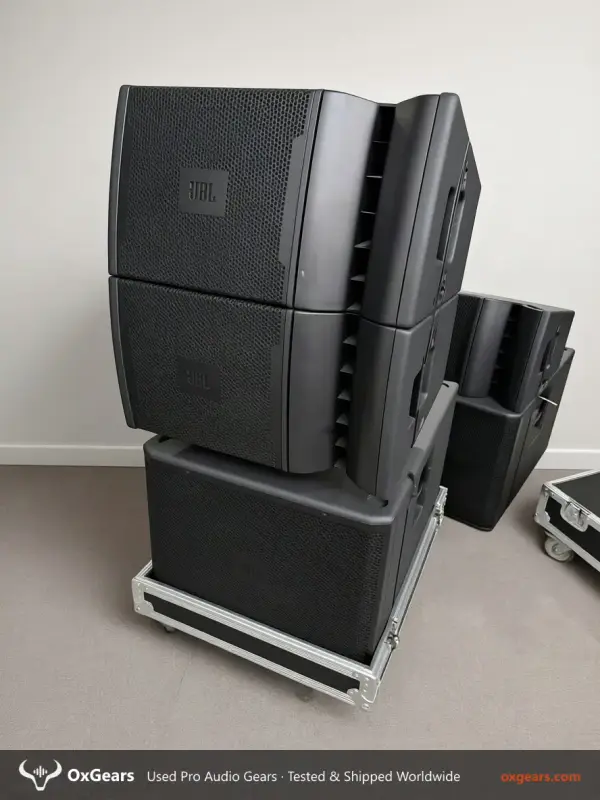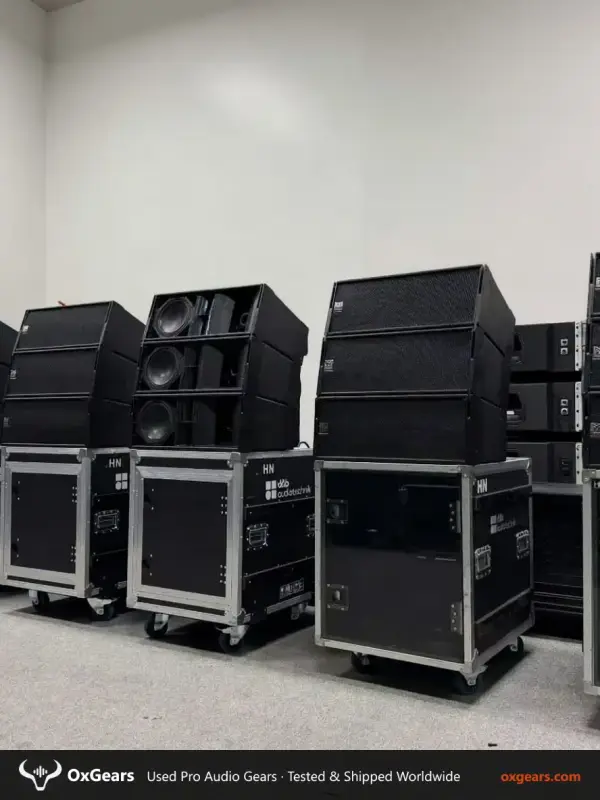
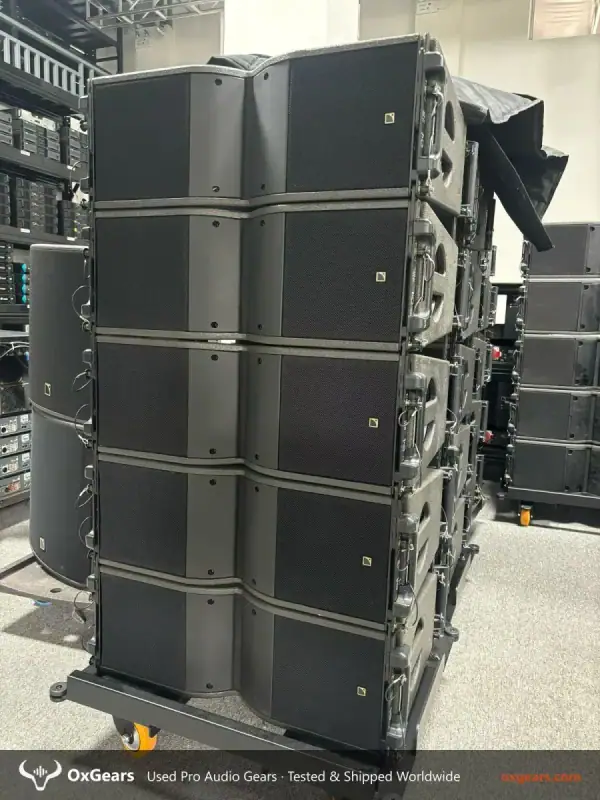
Second Hand Line Array System Supplier: How B2B Buyers Should Choose
A buyer's guide to sourcing a second hand line array system: what to verify on the boxes, rigging and processing before you ask for a quote.
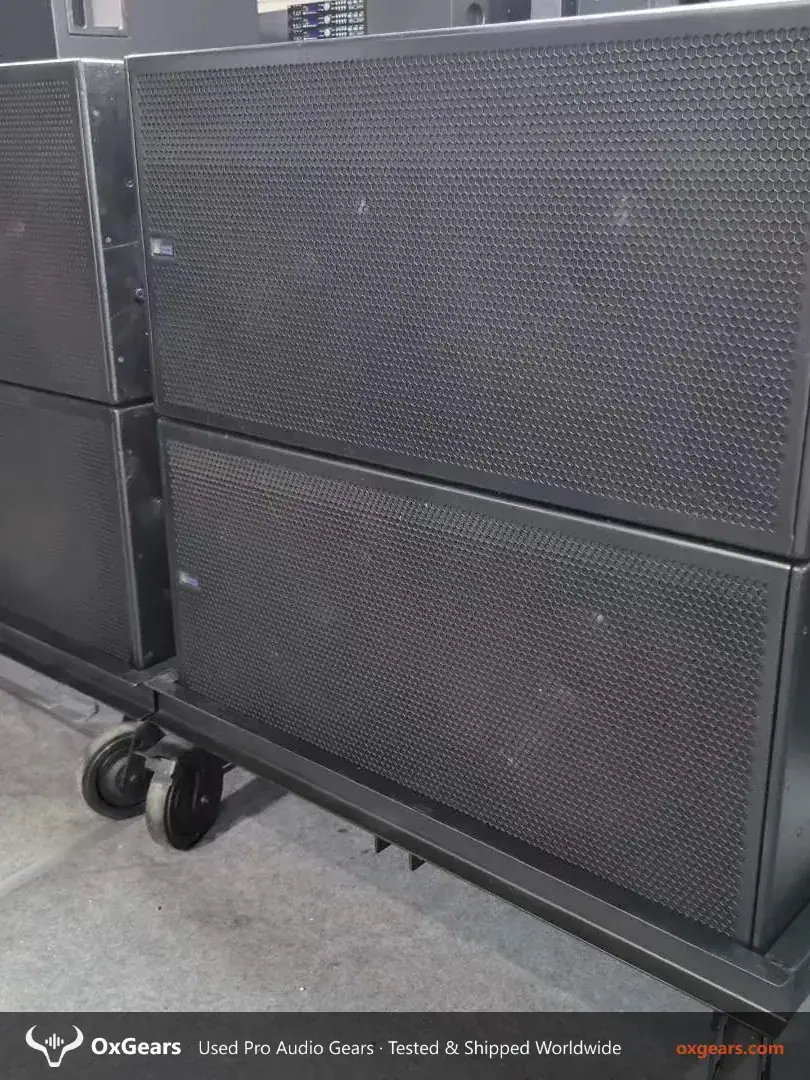
To buy a used line array for export, focus on verifiable condition, complete system compatibility, and a clear inspection protocol rather than on model numbers or specs. Start by defining your deployment needs, request detailed condition reports and test data from the seller, and arrange third-party inspection or a pre-shipment verification. Because listing data for specific used line arrays is not available in our materials, treat all model-specific values as Unknown / Not disclosed and base your decision on process and risk management.
1. Used line arrays can offer significant savings but require rigorous inspection to avoid hidden defects. 2. Always request test results and condition grades, and verify that all components (cabinets, rigging, amplifiers, DSP presets) are included and functional. 3. Budget for potential re-coning, rigging certification, and shipping costs, which can outweigh the purchase price if not assessed upfront. 4. Work with a seller who provides transparent documentation and allows pre-shipment inspection or third-party verification.
No listing data is available for used line arrays in our materials. Therefore, we cannot cite specific models, prices, warranty periods, lead times, or minimum order quantities. Any such values you encounter elsewhere should be treated as Unknown / Not disclosed unless verified directly with the seller. This absence of data means buyers must rely on direct communication and inspection rather than on published specifications or standardized listings.
When evaluating a used line array, the listing data typically includes model, condition grade, included accessories, and test results. Since these are not provided here, you should request them explicitly from the seller. For a broader view of available used pro audio equipment, see our used pro audio equipment catalogue.
A datasheet for a line array will provide frequency response, power handling, and dispersion, but it will not tell you about the actual condition of the units. Key unknowns include the history of use (touring, installation, outdoor events), the number of times drivers have been re-coned, the condition of rigging hardware, and whether the amplifiers and DSP are original and functioning within specification. These factors directly affect performance, safety, and total cost of ownership.
Another gap is the availability of spare parts and service documentation. For discontinued models, parts may be scarce, and without service manuals, maintenance becomes difficult. The datasheet also does not disclose whether the units have been used with third-party amplifiers or processors, which can lead to compatibility issues. Always ask for a detailed condition report and, where possible, arrange for an independent inspection. For guidance on condition grading, refer to our article on how used professional audio is graded A, B and C.
Used line arrays are not suitable for buyers who require a manufacturer warranty, guaranteed lead times, or immediate deployment without inspection. If you are a rental company that cannot afford downtime or a venue that needs plug-and-play reliability, a used line array may introduce unacceptable risk. Similarly, if you lack the technical capability to test and maintain the equipment, or if you need a specific model that is only available new, you should not choose used.
Buyers who are not prepared to invest time in inspection, negotiation, and logistics should also avoid used line arrays. The process demands diligence, and the lack of standardized listings means you must actively gather information. If your project timeline is tight or your budget cannot accommodate potential repairs, consider new or certified pre-owned options instead.
Cost savings versus risk: used line arrays can be significantly cheaper, but the savings may be offset by repairs, missing accessories, or shipping delays. You must weigh the upfront price against the potential total cost of ownership.
Condition versus price: a higher condition grade commands a higher price but reduces risk. Lower-grade units may be cheaper but require more investment in refurbishment. Without standardized grading, you must rely on your own inspection or a trusted third party.
Completeness versus flexibility: a complete system (cabinets, rigging, amplifiers, DSP) is easier to deploy but may limit your ability to mix and match. Partial systems may be cheaper but require sourcing missing components, which can be time-consuming and costly.
Shipping and logistics: used line arrays are bulky and heavy, and shipping costs can be substantial. You must factor in freight, insurance, and customs duties. For more on shipping, see our article on shipping used audio equipment: costs, ports and paperwork.
Before committing to a purchase, request a detailed condition report with photos and test results for each component. Ask for the history of use and any known issues. Arrange for a third-party inspection or, if possible, visit the seller's location to test the system. Clarify what is included in the sale (cabinets, rigging, amplifiers, covers, cases) and what is not. Obtain a quote for shipping and insurance to your destination. Confirm the payment terms and any escrow or inspection period. Finally, ask the seller for references from previous buyers. To inquire about available used line arrays, contact OxGears with your requirements.
Condition varies widely; without listing data, you must request a detailed condition report and ideally inspect the units. Grades A, B, and C indicate different levels of wear, but definitions are not standardized.
Warranty periods are not disclosed in our materials. Typically, used equipment is sold as-is, but you should confirm with the seller.
Request test results and arrange for a third-party inspection or a pre-shipment verification. Test each component, including drivers, amplifiers, and DSP presets.
Lead times are not disclosed and depend on the seller's stock and shipping arrangements. Confirm directly with the seller. ## Sources
- OxGears product catalogue: /products/ - OxGears contact page: /contact/ - Manufacturer published specifications for used line array models (not applicable as no specific model is cited).
A buyer's guide to sourcing a second hand line array system: what to verify on the boxes, rigging and processing before you ask for a quote.
Grade A used JBL VRX932LAP line array: specs, what the listing doesn't say, who should avoid it, and what to check before paying.
A focused buying guide for the used Martin Audio W8LM line array element, covering specs, condition grading, deployment constraints and pre-purchase checks for B2B buyers.